
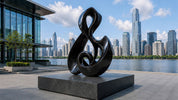
Questions to Ask Before Ordering a Custom Sculpture
A custom sculpture often begins with a simple idea — a shape you admire, a space that feels unfinished, or a vision you want to bring to life.
However, transforming that idea into a finished sculpture involves many decisions beyond choosing a design. The size, material, finish, placement, timeline, and fabrication process all influence the final result.
Whether you are planning a sculpture for a private residence, garden, hotel, commercial property, or architectural project, asking the right questions before production helps ensure the finished piece reflects your vision and belongs naturally within its environment.
Many clients begin with only an inspiration image, a general concept, or the feeling they want to create. An experienced custom sculpture manufacturer can help translate that initial idea into a complete project — from design development and material selection to handcrafted production and final delivery.
Before starting your custom sculpture project, consider these important questions.
Before discussing materials or dimensions, the first step is understanding the role the sculpture will play.
A sculpture can become:
For example, a sculpture placed at the entrance of a luxury residence may need to create a strong first impression, while a garden sculpture may focus more on harmony with the surrounding landscape.
Defining the purpose of the sculpture early helps guide decisions about form, scale, material, and overall design direction.

The installation location has a major influence on the design process and helps determine which sculptures by space best fit your project.
A piece created for an interior environment will be experienced differently from one installed outdoors.
Consider:
A large outdoor sculpture needs to create visual impact from different viewing angles, while an interior sculpture may rely more on details, texture, and close interaction.
The surrounding environment should influence the sculpture design from the beginning, rather than being considered after the artwork is complete.
Material selection is one of the most important decisions in a custom sculpture project.
Different materials create different visual experiences.
Bronze is often chosen for projects that value:
It is especially suitable for figurative sculptures, animal sculptures, portrait pieces, and artwork where surface detail is important.
Modern bronze finishes, including dark bronze and blackened finishes, can also create contemporary expressions.
Stainless steel is often selected for:
Different finishes, including mirror polish, brushed surfaces, matte finishes, and metallic treatments, can create completely different appearances.
The right material is not only about durability. It is about how the sculpture should look, feel, and interact with the surrounding space. Learn more about how bronze and stainless steel compare in appearance, finish, and design possibilities.

Scale can completely change how a sculpture is experienced.
A sculpture that looks impressive in a photograph may feel very different when placed in a real environment.
Important considerations include:
A successful sculpture should feel balanced rather than simply large.
A professional sculpture manufacturer can help evaluate the appropriate scale to ensure the piece creates the intended visual impact.
A custom sculpture quote includes much more than material and fabrication costs. Understanding the custom sculpture process can also help you evaluate the timeline, craftsmanship, and production requirements behind each project.
Because every sculpture is created specifically for each project, the final investment depends on:
A simple abstract form and a highly detailed figurative sculpture require different levels of design development, craftsmanship, and production time.
The complexity of the design affects not only the fabrication process but also the amount of refinement required throughout the project.
Different materials involve different fabrication approaches.
For example:
Bronze may require detailed casting and hand finishing.
Stainless steel may require specialized forming, welding, polishing, and surface treatment.
The selected finish can also influence the production process and final appearance.
Project schedule is another important consideration.
A custom sculpture usually involves several stages:
For projects with specific deadlines, such as property completion, hotel openings, or landscape installations, timeline expectations should be discussed at the beginning.
Depending on the project requirements, accelerated production options may be available.

Understanding the process helps clients feel confident throughout the project.
A typical custom sculpture process includes several important stages.
The project begins by understanding your vision, reference images, preferred style, installation location, and project requirements.
The sculpture concept is refined before production begins.
This stage allows the design direction, proportions, and important details to be reviewed before fabrication starts.
Once approved, skilled artisans transform the design into the final sculpture through material-specific fabrication and finishing processes.
During production, progress updates help clients follow the development of the sculpture.
Before delivery, final photos or videos provide an opportunity to review the completed piece and confirm the final result.
A structured process helps maintain the original design intent from the first idea to the finished artwork.
Delivery and installation should be considered early in the project, especially for larger custom sculptures.
Important factors include:
For residential projects, this may involve coordinating delivery access and final placement.
For larger architectural or public projects, additional planning may be required between the sculpture manufacturer, designers, contractors, and installation teams.
Discussing these details before production begins helps ensure the sculpture arrives prepared for its final location.

A custom sculpture is created to become part of a space for many years.
Maintenance requirements depend on:
Different materials require different care approaches. Learn more about sculpture care and maintenance for different materials and finishes.
Bronze, stainless steel, stone, and fiberglass sculptures each have their own maintenance considerations.
Before ordering, it is helpful to understand:
Proper maintenance helps preserve the appearance and character of the sculpture for years to come.
You do not need a complete design before starting a conversation.
Many successful projects begin with:
Providing this information helps the sculpture team understand your goals and recommend the right direction.
Many clients begin with a vision rather than a finished concept. A collaborative process allows that initial idea to develop into a sculpture that fits the space, purpose, and expectations of the project.
1. How much does a custom sculpture cost?
The cost of a custom sculpture depends on several factors, including size, material, complexity, finish, timeline, and installation requirements.
Because every sculpture is created specifically for each client, pricing is based on the unique requirements of the project rather than a standard product price.
2. How long does it take to create a custom sculpture?
The timeline depends on the sculpture size, material, complexity, and production requirements.
A custom project usually includes design development, approval, fabrication, finishing, inspection, and delivery preparation.
If you have a specific deadline, discussing your schedule early allows the sculpture team to evaluate the best approach.
3. Do I need a complete design idea before ordering a custom sculpture?
No.
Many clients begin with only an inspiration image, a general concept, or the feeling they want the sculpture to create.
A professional sculpture manufacturer can help develop that initial idea into a finished design.
4. Can I customize the size, material, and finish of a sculpture?
Yes.
Custom sculptures can be adapted in size, material, finish, and design details to meet the requirements of each project.
Customization allows the sculpture to better match the intended space, architectural style, and overall vision.
5. How do I choose the right material for my sculpture?
Material selection depends on several factors, including the sculpture design, installation environment, desired appearance, and long-term expectations.
Bronze, stainless steel, stone, and fiberglass each create different visual effects and offer different characteristics.
6. How can I make sure the final sculpture matches my expectations?
A clear communication process is essential for custom sculpture projects.
Before production begins, design approval allows the concept to be reviewed and refined.
During fabrication, progress updates help confirm that the sculpture is developing according to the approved direction.
Before delivery, final photos or videos provide an opportunity to review the completed sculpture and confirm the final result.
7. How is a custom sculpture installed?
Installation depends on the sculpture size, location, and project requirements.
Planning installation details early helps ensure the sculpture is properly prepared for delivery and final placement.
Every custom sculpture project begins with finding the right direction. Explore different sculpture categories to discover ideas based on your space, artistic preferences, and project goals.

Explore sculptures designed for different environments, from private residences and gardens to commercial and public spaces.
Explore Sculptures
Discover sculptures inspired by animals, figures, nature, abstract forms, and meaningful artistic concepts.
Explore Sculptures
Browse different artistic styles, from modern and contemporary designs to classical and minimalist expressions.
Explore Sculptures
Bring your vision to life with a sculpture designed around your preferred size, material, finish, and project requirements.
Start Your CustomA successful sculpture project begins with the right questions.
Whether you have a clear concept or only an initial idea, US Sculpture can help guide the process from design development and material selection to handcrafted production and final delivery.
Start Your Custom Sculpture Project